診察時間
午前9:00-12:00
午後15:00-18:00
手術時間12:00-15:00
水曜・日曜午後休診
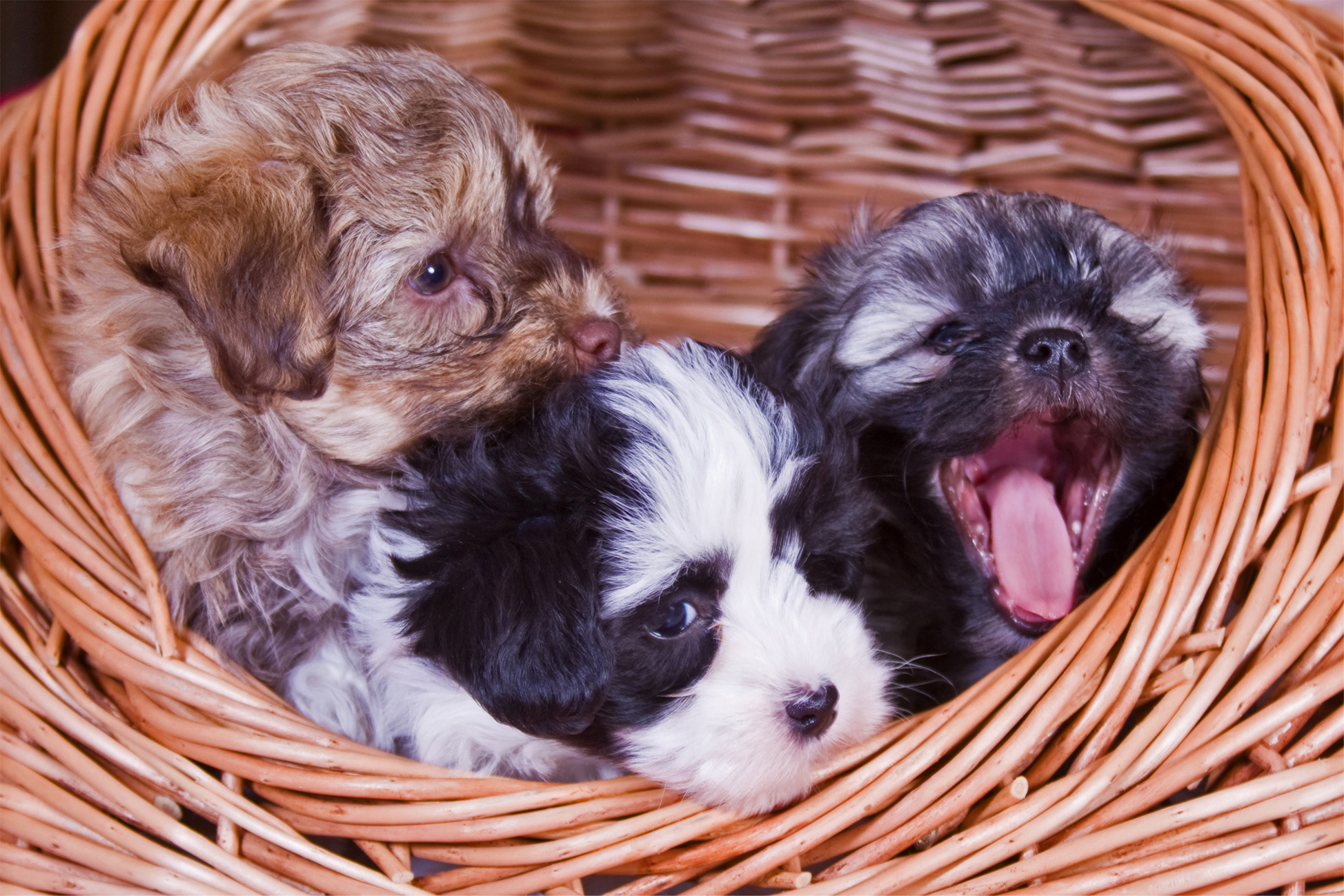
犬の外耳炎で見つかったスタフィロコッカス・シュレイフェリとは?
今回の細菌培養検査で分かったこと(スタフィロコッカス・シュレイフェリ)
耳の培養検査で「Staphylococcus schleiferi(スタフィロコッカス・シュレイフェリ)」という細菌が、4+の量でしっかり増えていることが分かりました。これは「少しだけ混じっている菌」ではなく、今回の耳の炎症の主な原因菌と考えられるレベルです。
多くの抗生剤にはまだ良く効きそうですが、一部のフロロキノロン系(いわゆる“キノロン系”)には効きにくい(耐性)結果が出ています。
Staphylococcus schleiferiってどんな細菌?
- ブドウ球菌の仲間の一つで、グラム陽性菌に分類されます。
- 犬では耳(外耳炎)や皮膚(膿皮症など)のトラブルでよく見つかる細菌です。
- もともと皮膚の表面などに少量すんでいる「常在菌」ですが、環境が悪くなると一気に増えて炎症や膿を起こします。
- 今回のように4+という結果のときは、「たまたま付いていただけ」ではなく、症状の中心的な原因と考えられます。
どんなときに増えやすいの?
- 耳の中が湿りやすい・蒸れやすい(垂れ耳、毛が多い、こまめに乾かせない など)
- アレルギーやアトピー体質で、かゆみが強く耳をかき壊してしまう
- ポリープや腫瘍など、耳の中にできものがあって通気・排泄が悪くなっている
- 耳ダニ・外傷・シャンプー後に水が残る などで、耳の環境が一時的に乱れてしまう
- もともとの体力・免疫力が落ちている高齢の子や、基礎疾患を抱えている子
- こうした条件が重なると、ふだんはおとなしくしている常在菌が一気に増えて、赤み・腫れ・におい・膿のような分泌物を引き起こします。
- 耳そのもののケアと同時に、「なぜ増えてしまったのか」という背景を整えてあげることもとても大切です。
今回の感受性結果(どんなお薬が効きやすい?)
- 多くのペニシリン系・セフェム系の抗生剤に対して「S=感性(よく効く)」という結果でした。
- アミノグリコシド系(GM, TOB, AMKなど)や、マクロライド/リンコマイシン系(EM, CAM, CLDM)、テトラサイクリン系(TC, DOXY, MINO)などにも感性が保たれています。
- 一方で、フロロキノロン系(LVFX, ERFX, OBFX, PRAなど)には「R=耐性(効きにくい)」と判定されています。
- つまり、「キノロン系は避けつつ、それ以外の系統から、その子の体質や過去に使ったお薬を踏まえて選んでいく」というイメージになります。
- 実際の治療では、耳の状態(赤みの強さ・腫れ・痛み・分泌物の量など)や、全身の持病・年齢も含めて、内服薬と点耳薬のバランスを獣医師が判断します。
- 途中で治療内容が変わることもありますが、それは「効いていないからダメ」というより、耳の状態の変化に合わせて、よりベストな選択に調整している過程と考えてください。
- 自己判断で途中中止したり、以前余った抗生剤を勝手に再使用したりすると、耐性菌を増やす原因になるため要注意です。
人への影響はある?うつりますか?
- Staphylococcus schleiferiは、ごくまれに人からも検出されることがあります。
- ただし、主に犬の耳や皮膚のトラブルで問題になる細菌であり、健康な人が普通に触れ合う程度で大きな心配をする必要はありません。
おうちで気をつけたいこと
- 薬をつけたあとは、耳の中に指を入れすぎず、やさしくマッサージする程度にとどめましょう。
- 綿棒を深く入れると、かえって耳の奥を傷つけてしまったり、汚れを奥に押し込んでしまったりすることがあります。
ご家族の方へのお願い
今回のように培養検査を行うと、「どんな細菌が、どれくらいの量で、どのお薬に効きやすいか」が具体的に分かります。これは、ただ「耳が赤いからとりあえず抗生剤」という治療よりも、一歩踏み込んだオーダーメイドの治療につながります。
検査結果をもとに選んだお薬を、決められた回数・日数きちんと続けることが、再発予防にもとても大切です。「よくなったかな?」と見えても、自己判断で早めにやめてしまうと、耳の奥に細菌が残って再燃してしまうことがあります。
通院のたびに耳をチェックしながら、その子にとって無理のないペースで治療とケアを一緒に考えていきますので、気になることや不安なことがあれば、小さなことでも遠慮なくご相談ください。
まとめ:検査結果をうまく活かしていきましょう
- 今回見つかった「Staphylococcus schleiferi」は、犬の耳・皮膚でよく問題になる細菌で、4+の量でしっかり増えていました。
- 多くの抗生剤にはまだ感性が保たれており、一部のキノロン系には耐性があるという結果でした。この情報を参考に、お薬の種類や使い方を調整していきます。
What this culture test tells us (Staphylococcus schleiferi)
The ear culture showed a bacterium called “Staphylococcus schleiferi”, and it grew at a level of 4+.That means it is not “just a small contaminant”, but very likely the main cause of the current ear inflammation.
Many antibiotics are still effective against this bacterium, but some fluoroquinolones (the so-called “quinolone group”) are reported as resistant.
What kind of bacterium is Staphylococcus schleiferi?
- It is a member of the staphylococcal group and is classified as a Gram-positive bacterium.
- In dogs, it is commonly found in ear problems (otitis externa) and skin infections such as pyoderma.
- In small numbers it can live quietly on the skin surface as a “resident bacterium”, but once the environment becomes unfavorable, it can suddenly overgrow and cause redness, swelling, and discharge.
- When we see a result such as 4+, we consider it to be a major player in the disease rather than an incidental organism.
When does this bacterium overgrow easily?
- When the ear canal is easily moist or stuffy (droopy ears, lots of hair, difficult to keep dry, etc.).
- When the pet has allergies or atopic disease and scratches the ears strongly because of itchiness.
- When there are polyps or tumors in the ear canal that disturb ventilation and drainage.
- When the ear environment is temporarily disturbed by ear mites, trauma, or water remaining after shampoo or swimming.
- When the pet is older, has chronic illnesses, or its general immunity is lowered.
- When these factors overlap, normally quiet resident bacteria can suddenly multiply and cause redness, swelling, odor, and thick discharge.
- So in addition to treating the ear itself, it is very important to think about “why the bacteria overgrew in the first place” and to correct those background factors.
What does the susceptibility result mean?
- Many penicillin-type and cephalosporin-type antibiotics were reported as “S = susceptible (likely to work well)”.
- Aminoglycosides (GM, TOB, AMK), macrolide/lincomycin drugs (EM, CAM, CLDM), and tetracyclines (TC, DOXY, MINO) also remain susceptible.
- On the other hand, several fluoroquinolones (LVFX, ERFX, OBFX, PRA, etc.) were reported as “R = resistant (less likely to work)”.
- In practice, this means we will avoid quinolones and choose other antibiotic groups, taking into account your pet’s age, body condition, and what has been used in the past.
- When designing the treatment plan, your vet will consider the state of the ear (degree of redness, swelling, pain, type and amount of discharge) and any other diseases, and decide on the best combination of ear drops and oral medication.
- Treatment may change halfway through. That does not always mean “the previous drug was useless”, but often that we are fine-tuning the plan to match the changing condition of the ear.
- Stopping antibiotics early on your own or re-using leftover drugs from the past can encourage resistant bacteria to develop, so please avoid doing this.
Is it contagious to people?
- Staphylococcus schleiferi can occasionally be detected in humans, but this is uncommon.
- It is mainly a problem in dogs’ ears and skin. For healthy people, ordinary contact such as petting and cuddling is usually not a major concern.
Home care tips
- After applying ear drops, gently massage the base of the ear instead of pushing your finger deep into the ear canal.
- Using cotton swabs too deeply can injure the inside of the ear or push the debris further in, so please be careful.
A message to the family
By performing a culture test, we can see which bacterium is present, how much of it is there, and which antibiotics are likely to work. This allows us to move away from the simple approach of “the ear looks red, so let’s just try some antibiotics”, and instead tailor the treatment more precisely.
Following the prescribed schedule and giving the medication for the full recommended period is very important to prevent recurrence. Even if the ear already “looks better”, stopping treatment too early on your own can leave bacteria deep in the ear and cause the problem to flare up again.
At each visit we will check the ear and, together with you, choose a treatment pace that suits your pet’s lifestyle and personality. If you notice anything worrying or confusing, please feel free to ask us at any time.
In summary: making good use of the test result
- In this case, the culture revealed “Staphylococcus schleiferi” growing at a strong 4+ level in the ear.
- Many antibiotics are still effective, while some quinolone drugs are resistant. We will use this information to choose the safest and most effective treatment plan for your dog.
这次耳道细菌培养检查的结果(Staphylococcus schleiferi)
耳道分泌物的培养结果显示,有一种叫做“Staphylococcus schleiferi(施莱费里葡萄球菌)”的细菌,生长程度为4+。这说明它不是“偶然混进来的一点细菌”,而是很可能是这次耳部炎症的主要原因。
大部分抗生素对这种细菌仍然有效,但部分氟喹诺酮类(俗称“喹诺酮类”)已经显示为耐药。
Staphylococcus schleiferi 是什么样的细菌?
- 它属于葡萄球菌家族,是一种革兰氏阳性菌。
- 在狗的耳部炎症(外耳炎)和皮肤感染(如脓皮症)中,非常常见。
- 少量存在时,可以安静地生活在皮肤表面,作为“常在菌”。但是当环境变差时,它会突然大量繁殖,引起发红、肿胀、疼痛和分泌物增多。
- 像这次显示为4+的结果,多数情况下意味着它是疾病的主要致病菌,而不是无关紧要的细菌。
什么时候容易大量繁殖?
- 耳道容易潮湿、闷热时(垂耳、耳道毛多、不易吹干等)。
- 有过敏或特应性皮炎,耳朵非常痒,经常用力抓挠时。
- 耳道里有息肉、肿瘤等占位性病变,使通气和分泌物排出变差时。
- 耳螨、外伤、洗澡或游泳后有水残留等,也会暂时打乱耳道环境。
- 高龄、慢性疾病或免疫力下降的犬只,更容易被这种细菌“趁虚而入”。
- 当这些因素叠加时,原本安静的常在菌就会突然大量生长,导致耳朵发红、肿胀、有异味和脓样分泌物。
- 因此,除了治疗耳朵本身以外,找出“为什么细菌会大量繁殖”的背景原因并加以改善,同样非常重要。
本次药物敏感性结果说明了什么?
- 许多青霉素类和头孢菌素类抗生素被判定为“敏感(S)”,也就是预计效果良好。
- 氨基糖苷类(GM、TOB、AMK等)、大环内酯/林可霉素类(EM、CAM、CLDM)以及四环素类(TC、DOXY、MINO)也仍然显示为敏感。
- 相反,一些氟喹诺酮类药物(如 LVFX、ERFX、OBFX、PRA 等)被判定为“耐药(R)”,效果可能较差。
- 因此,在实际用药时,我们会 尽量避免使用喹诺酮类,而是从其他药物类别中选择,对狗狗来说既安全又有效的药物。
- 具体治疗方案会综合考虑耳道状况(红肿和疼痛程度、分泌物的量和性状)、狗狗的年龄、体质以及是否还存在其他疾病,由兽医师来决定口服药与滴耳液的最佳组合。
- 治疗过程中,药物种类或使用方法可能会调整。这并不一定说明“之前的药完全没用”,往往是因为耳朵的情况在变化,我们在 根据变化不断微调,让方案更加合适。
- 若自行提前停药,或擅自使用以前剩下的抗生素,容易让耐药菌增多,因此请务必避免。
会传染给人吗?
- Staphylococcus schleiferi 偶尔也会在人身上检测到,但这种情况比较少见。
- 它主要还是在狗的耳朵和皮肤上引起问题。 对于健康的人来说,一般的抚摸、拥抱等日常接触,通常不需要过度担心。
在家护理时的小贴士
- 滴完耳药后,用手轻轻按摩耳根部即可,不要把手指伸得太深。
- 棉签插入过深,可能伤到耳道内壁,或把污物推得更深,因此请尽量避免。
给家人的一段话
通过细菌培养,我们可以明确 是哪一种细菌、数量有多少、哪些抗生素更可能有效。 这样就不再只是“耳朵红了,先随便用点抗生素试试”,而是能为狗狗制定更接近“量身定制”的治疗方案。
按照处方 在规定的时间内坚持用药,对预防复发非常重要。即使耳朵看起来已经好很多,如果自行提前停药,耳道深处残留的细菌仍可能再次引发炎症。
在后续复诊中,我们会不断检查耳朵的变化,一起商量符合狗狗性格和家庭生活节奏的治疗方式。 如果有任何不安或不明白的地方,欢迎随时向我们咨询。
小结:善用检查结果,帮助耳朵恢复
- 这次耳道培养发现,“Staphylococcus schleiferi”在耳道内以4+的程度大量生长,是本次耳炎的重要原因。
- 很多抗生素仍然有效,而部分喹诺酮类药物已经耐药。 我们会根据这些信息,为狗狗选择更安全、更合适的治疗方案。